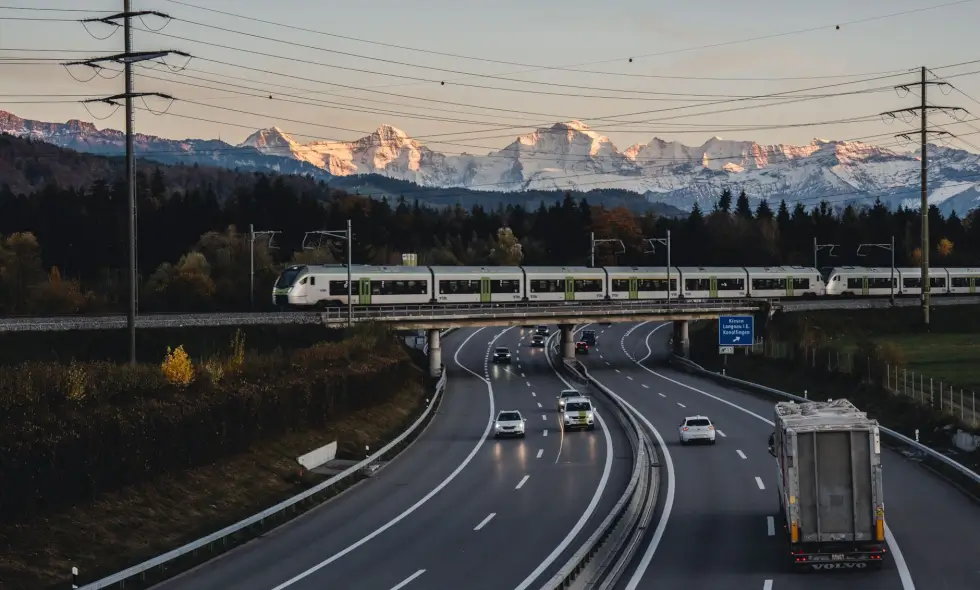
Road traffic in Switzerland is well organised, safe and based on precise regulations. Due to the country’s mountainous terrain, densely populated cities and international transit traffic, it is particularly important for motorists to prepare for their journey in advance. Swiss motorways, main roads, tunnels and mountain passes are of excellent quality; however, traffic regulations are strictly enforced.
One of the basic requirements for motorway travel is the e-vignette in Switzerland. This permit is required for the use of designated motorways and expressways by passenger cars, motorcycles, motorhomes or other vehicles belonging to the appropriate category. The Swiss e-vignette is an important part of the country’s transport system, as it also supports the maintenance, development and safe operation of the roads.
Motorists should plan their route before setting off. In many cases, using the motorway is faster in Switzerland, but weather-related restrictions, tunnel traffic or temporary road closures may occur in mountainous areas. In winter, it is particularly important to have suitable tyres, snow chains and to check current road conditions. On certain higher-altitude routes, snowy and icy conditions can significantly affect travel.
Observing speed limits is of paramount importance in Switzerland. On motorways, the maximum permitted speed is generally 120 km/h, while in built-up areas it is typically 50 km/h. Electronic monitoring and roadside police checks are frequent, so complying with the rules is important not only from a safety perspective but also financially. Fines can be substantial, particularly in cases of speeding, drink-driving or dangerous manoeuvres.
The e-vignette can be purchased here using the button below the article and downloaded immediately as a digital ticket. This can be a convenient solution for those who wish to take care of motorway-use-related matters before departure.
In Switzerland, road culture is generally considerate and predictable. It is important to maintain an appropriate following distance, use indicators and respect the right of way of pedestrians and cyclists. On mountain roads, narrow bends, steep inclines and slower vehicles require particular attention. With careful preparation, a valid Swiss e-vignette and compliance with local regulations, travelling can become safer and more relaxed.